Comprehensive Guide to Renovating Childcare Centers in Sydney

Renovating a childcare center is a critical undertaking that impacts not only the physical environment but also the learning and development of children. In Sydney, where local regulations emphasize safety, compliance, and quality, achieving a successful renovation involves a balance of creative design, safety measures, and adherence to the law. This guide dives deep into everything you need to know, from planning to execution, ensuring your childcare center is both functional and inspiring.

The Importance of Renovating Childcare Centers

Childcare centers are environments where children spend significant time during their formative years. A well-renovated space promotes learning, safety, and emotional well-being. Over time, centers may require updates to remain compliant with regulations, improve functionality, or incorporate modern educational philosophies. Renovations can also enhance a center’s market appeal, attracting more families.

Understanding Sydney’s Regulatory Requirements

Sydney childcare centers must adhere to strict regulations outlined by the National Quality Framework (NQF) and local building codes. Key compliance areas include:

• Space Requirements: Sufficient indoor and outdoor space per child.

• Safety Measures: Installation of fire alarms, extinguishers, and evacuation plans.

• Accessibility: Design for children with disabilities, including ramps and sensory-friendly areas.

• Hygiene Standards: Ventilation, sanitation facilities, and durable materials.

• Educator-to-Child Ratios: Proper allocation of space for staff to supervise effectively.

Engaging a professional renovation company familiar with these standards is essential to avoid costly rework or delays.

Planning Your Renovation

1. Define Your Goals

• Are you looking to expand capacity, improve safety, or modernize the aesthetic?

• Set priorities for the renovation, such as improving energy efficiency or incorporating eco-friendly materials.

2. Establish a Budget

• Plan for all phases, including design, permits, construction, and contingency costs.

• Seek funding options or government grants for childcare renovations in Sydney.

3. Hire Professionals

• Work with experienced architects, designers, and contractors who specialize in childcare projects.

• Aurora Group Services, for example, has completed 15 childcare renovations in Sydney, ensuring compliance and innovative designs.

Key Design Considerations

Creating a nurturing environment involves designing for safety, functionality, and aesthetics.

1. Safety First

• Install child-proof locks on windows and doors.

• Use rounded furniture to minimize injury risks.

• Apply non-slip flooring in play and wet areas.

2. Functional Layouts

• Design multi-purpose spaces that can adapt to different activities.

• Include clearly defined zones for play, learning, rest, and dining.

3. Aesthetics and Comfort

• Choose bright, stimulating colors for play areas and calming tones for nap rooms.

• Use natural lighting wherever possible to promote a cheerful atmosphere.

• Incorporate nature through plants or outdoor green spaces.

Innovative Ideas for Modern Childcare Centers

1. Eco-Friendly Designs

• Use sustainable materials like bamboo or recycled wood.

• Install energy-efficient lighting and HVAC systems.

2. Technology Integration

• Introduce interactive smart boards for educational activities.

• Use digital check-in systems for better security and parent communication.

3. Sensory-Friendly Features

• Create spaces for children with sensory processing needs, including quiet zones and textured walls.

Case Study: Successful Sydney Childcare Renovation

A childcare center in Sydney’s Inner West partnered with Aurora Group Services to renovate its aging facility. The project involved:

• Expanding capacity to accommodate 20 additional children.

• Incorporating outdoor play areas with shade sails for sun protection.

• Upgrading the kitchen to meet updated hygiene standards.

• Adding a sensory room with soundproofing and calming colors.

The results: A 40% increase in enrollment within six months and glowing feedback from families.

Conclusion

Renovating a childcare center in Sydney is not just about meeting regulations—it’s about creating a safe, inspiring, and functional space that supports children’s growth. Partnering with a professional team like Aurora Group Services ensures your project is handled with care, expertise, and innovation.

Ready to transform your childcare center? Contact Aurora Group Services today for a personalized consultation.

Call Now 02 9188 0735

How to Manage a Home or Office Renovation Project

How to Manage a Home or Office Renovation Project

Managing a home or office renovation project can be overwhelming, especially if you’re not familiar with the process. However, with proper planning and organization, you can ensure your project runs smoothly, stays on budget, and meets your expectations. Here’s a guide to help you effectively manage your renovation project from start to finish.

1. Define Your Goals and Budget

The first step in any renovation project is to clearly define your goals and set a realistic budget. Understand exactly what you want to achieve with your renovation, whether it’s a complete overhaul or a few specific updates. This will help you avoid unnecessary changes and keep the project focused.

Tips for Defining Goals:

• List the must-have features you want in the renovated space.

• Consider the long-term functionality and aesthetics of the space.

• Prioritize essential upgrades over non-essential ones to ensure your budget aligns with your goals.

Budgeting Tips:

• Be realistic about what you can afford. Don’t forget to account for unexpected expenses—set aside an extra 10-20% for contingencies.

• Get multiple estimates from contractors to ensure you’re getting a fair price.

2. Hire the Right Professionals

A successful renovation requires a team of skilled professionals. Whether it’s a contractor, architect, or designer, hiring the right people can make all the difference in the quality and efficiency of the project.

What to Look for in a Contractor:

• Experience: Ensure they have a track record of handling projects similar to yours.

• References and Reviews: Check online reviews and speak with past clients.

• Licensing and Insurance: Verify that the contractor is licensed and insured to protect yourself from liability.

Other Key Professionals:

• Architect or Designer: If your renovation involves structural changes, consider hiring an architect to create a custom design.

• Specialty Contractors: Depending on your needs, you may also need electricians, plumbers, or other specialists.

3. Create a Detailed Project Plan

Once you’ve selected your team, work with them to create a detailed project plan. This plan should outline every aspect of the renovation, from timelines and materials to payment schedules and specific tasks.

Key Elements to Include in Your Plan:

• Timeline: Establish clear start and end dates for each phase of the project. Make sure to include buffer time for unexpected delays.

• Materials: Specify the materials and finishes you want to use, and work with your contractor to order them in advance to avoid delays.

• Work Schedule: Outline the daily tasks and who will be responsible for each. If you’re managing a team of specialists, ensure their schedules align.

4. Communicate Regularly with Your Team

Effective communication is key to the success of any renovation project. Keep an open line of communication with your contractor and other professionals throughout the process. Regular updates will help you stay on track and resolve any issues promptly.

How to Maintain Good Communication:

• Set up weekly check-ins with your contractor to discuss progress and address any concerns.

• Be available to make decisions quickly, especially when it comes to design changes or approvals.

• Document everything in writing—use emails, texts, or project management tools to ensure nothing is overlooked.

5. Stay Involved and Monitor Progress

While you don’t need to micromanage every detail, staying involved and monitoring the progress of your renovation is crucial. Periodically check the worksite to ensure that things are going according to plan.

Ways to Stay Involved:

• Visit the site regularly to check on the quality of the work.

• Make sure your contractor is sticking to the agreed-upon schedule and budget.

• Address any concerns immediately to avoid delays later in the project.

6. Be Prepared for Unexpected Issues

No renovation project is without surprises. Whether it’s hidden water damage, issues with permits, or unexpected delays in material delivery, problems can arise at any time. The key is to stay flexible and work with your team to find solutions.

How to Handle Unexpected Issues:

• Keep your contingency fund accessible to cover unexpected costs.

• Remain patient and avoid making hasty decisions. Discuss potential solutions with your contractor and other professionals.

• Remember that some delays are inevitable, but most issues can be resolved with the right planning and communication.

7. Conduct a Final Walkthrough

Once your renovation is complete, it’s time for the final walkthrough. This is where you’ll inspect the completed work to ensure it meets your expectations and is in line with the agreed-upon plan.

Things to Look for During the Walkthrough:

• Check that all work has been completed according to the contract and specifications.

• Make sure there are no safety hazards or unfinished tasks.

• Review the quality of the finishes and ensure everything looks as promised.

• Ensure all permits are finalized and the work complies with local regulations.

8. Make Payments Based on Milestones

Managing the payment schedule is an essential part of staying on top of your renovation project. Avoid paying the full amount upfront, and instead, structure payments based on specific milestones or completed phases of the project.

Payment Tips:

• Only release payments after you’ve inspected and approved the completed work for each phase.

• Keep a detailed record of all payments made and any receipts.

• Hold back a small percentage (usually 10-15%) of the payment until the project is fully completed and you’re satisfied with the work.

9. Enjoy the Finished Project

After months of planning, budgeting, and hard work, it’s time to enjoy the fruits of your labor. Take the time to appreciate the transformation of your home or office space and make sure everything works as expected.

Tips for Post-Renovation:

• Arrange the space to your liking and make sure everything functions properly.

• Keep records of warranties for any new fixtures or appliances.

• If your renovation increased the value of your home or office, consider contacting a real estate agent to explore the market potential.

How Aurora Group Services Can Help

At Aurora Group Services, we specialize in managing home and office renovations with care and precision. Our experienced team will guide you through every stage of the project—from planning and budgeting to execution and final inspection. We ensure that your renovation stays on track, meets your expectations, and fits within your budget.

Contact us today to start planning your renovation project with the professionals at Aurora Group Services. We’ll help you turn your vision into reality!

Call Now 02 9188 0735

How to Finance Your Home or Office Renovation

How to Finance Your Home or Office Renovation

Renovations can be a significant financial investment, and many homeowners and business owners need to consider financing options to cover the costs. Whether you’re updating a single room or completely renovating your property, it’s important to understand your options and plan accordingly. Here’s a guide to help you navigate the various financing options for your renovation project.

1. Personal Savings

Using your personal savings is one of the simplest ways to finance a renovation. If you have enough funds set aside, paying for the project upfront can help you avoid interest rates and long-term debt.

Pros:

• No interest or fees

• No monthly payments or debt

• Full control over your budget

Cons:

• It can deplete your savings

• May not be enough to cover a large-scale renovation

Tips:

• Be mindful of your emergency savings. Avoid using all your savings for the renovation if it will leave you financially vulnerable.

2. Home Equity Loan (Second Mortgage)

A home equity loan allows you to borrow against the value of your home. If you’ve built up equity in your property, this option can provide the funds needed for your renovation. It works like a second mortgage, with fixed interest rates and repayment terms.

Pros:

• Lower interest rates compared to personal loans or credit cards

• Fixed interest rates and predictable payments

• Borrow a larger sum based on your home’s equity

Cons:

• Your home is used as collateral, so there’s a risk of foreclosure if you can’t repay

• Closing costs and fees may apply

Tips:

• Only borrow what you can afford to repay. Ensure that the renovation project will increase your home’s value enough to justify the loan.

3. Home Equity Line of Credit (HELOC)

A Home Equity Line of Credit (HELOC) is another way to access your home’s equity. Unlike a home equity loan, a HELOC is a revolving line of credit, similar to a credit card. You can borrow money as needed, up to your credit limit, and only pay interest on the amount borrowed.

Pros:

• Flexible borrowing and repayment options

• Pay interest only on the amount you use

• Lower interest rates than personal loans

Cons:

• Interest rates are variable, so payments can fluctuate

• Your home is at risk if you’re unable to make payments

Tips:

• Use a line of credit for ongoing or phased renovations, where you may need access to funds at different stages. Keep track of your borrowing to avoid overspending.

4. Personal Loan

Personal loans are unsecured loans from banks, credit unions, or online lenders. Since they don’t require collateral, they may have higher interest rates than home equity loans or HELOCs, but they can be a good option if you don’t want to use your home as collateral.

Pros:

• Quick access to funds

• No collateral required

• Fixed interest rates and predictable monthly payments

Cons:

• Higher interest rates than secured loans

• Smaller loan amounts compared to home equity options

Tips:

• Check your credit score before applying to ensure you qualify for favorable rates. Shop around for the best loan terms.

5. Credit Cards

If your renovation is small or you need to cover some of the costs while you wait for other funds to come through, a credit card can be an option. Many credit cards offer introductory 0% interest for a certain period, which can be useful for short-term renovations.

Pros:

• Convenient and quick access to funds

• 0% introductory APR offers on some credit cards

Cons:

• High-interest rates after the introductory period

• Risk of carrying a balance and accumulating interest

Tips:

• Only use credit cards for short-term expenses or if you can pay off the balance before the interest rate increases.

6. Government Grants or Subsidies

Some local governments or organizations offer grants, rebates, or low-interest loans to help fund renovations that improve energy efficiency, sustainability, or accessibility. If your renovation project involves green building practices or upgrades for accessibility, you may qualify for financial assistance.

Pros:

• No repayment required for grants

• Financial support for specific types of renovations (e.g., energy-efficient upgrades)

Cons:

• Availability may vary based on your location and the type of renovation

• Grants and subsidies often have strict requirements and approval processes

Tips:

• Research government programs in your area and be prepared to submit detailed plans for the renovation. Apply early, as funds may be limited.

7. Renovation Loan

Pros:

• Low-interest rates and flexible terms

• Can finance both the home purchase and renovation costs

Cons:

• Only available for primary residences

• Extensive paperwork and approval process

8. Crowdfunding or Family Loans

If you’re struggling to find financing options, crowdfunding platforms or borrowing money from friends and family might be an option. Platforms like GoFundMe or Kickstarter allow you to raise money for a specific cause, such as home renovations. Alternatively, some homeowners take out loans from family members who offer more flexible terms than traditional financial institutions.

Pros:

• No interest or repayment terms for family loans

• Flexible funding through crowdfunding

Cons:

• Potential strain on relationships with family or friends

• Crowdfunding is not guaranteed and requires significant effort to promote

Tips:

• If borrowing from family, establish clear repayment terms to avoid misunderstandings. Be transparent with all parties involved.

How Aurora Group Services Can Help

At Aurora Group Services, we not only help you design and complete your dream renovation, but we also understand the financial challenges that come with it. Our team is here to guide you through financing options that work best for your situation.

Get in touch today to discuss your renovation project and explore financing options with our expert team. Let’s bring your vision to life, with the perfect financial plan to support it!

Call Now 02 9188 0735

How to Choose the Right Contractor for Your Renovation

How to Choose the Right Contractor for Your Renovation

Selecting the right contractor is one of the most crucial decisions you’ll make during a renovation project. A skilled, trustworthy contractor can ensure your project is completed on time, within budget, and to the highest standard. Here’s a step-by-step guide to help you choose the right contractor for your home or office renovation.

1. Determine Your Needs and Budget

Before you begin searching for a contractor, clarify the scope of your renovation and set a budget. Understand what you want to achieve, whether it’s a full renovation, partial upgrades, or specific repairs.

Tips:

• Create a list of must-have features, such as specific materials, style, or functionality.

• Set a realistic budget that includes a contingency fund for unexpected costs (typically 10–20%).

2. Do Your Research

Take the time to research contractors in your area. Look for professionals who specialize in the type of renovation you’re planning—whether it’s residential, commercial, or a specific project like kitchen or bathroom remodeling.

Ways to Research:

• Online Reviews and Testimonials: Check websites, Google reviews, and social media to read about the experiences of previous clients.

• Word-of-Mouth Recommendations: Ask friends, family, or colleagues if they have worked with reliable contractors.

• Portfolio: Review contractors’ portfolios to see examples of past work. Ensure their style aligns with your vision.

3. Check Credentials and Experience

Ensure the contractor you choose is licensed, insured, and certified to do the work. This protects you from potential liabilities and ensures the project meets local building codes.

What to Look For:

• Licensing and Certification: Check that the contractor holds the necessary licenses for your area and renovation type.

• Insurance: Ensure they carry both liability and workers’ compensation insurance.

• Experience: Look for a contractor with experience in your specific type of renovation. The more experienced, the better they’ll handle unexpected issues.

4. Interview Multiple Contractors

Don’t settle for the first contractor you meet. Interview at least three contractors to get an understanding of their approach, pricing, and communication style.

Questions to Ask:

• How many years of experience do you have in renovations like mine?

• Can you provide references from recent clients?

• Do you have experience working with my desired materials or design?

• What is your process for handling delays or budget changes?

• What are the payment terms and schedule?

5. Get Detailed Written Estimates

Request written estimates from each contractor, and make sure they include a breakdown of the costs (materials, labor, etc.), timelines, and the scope of work. Be cautious of estimates that are unusually low, as they may not reflect the true cost of quality work.

Important Notes:

• Be sure the contractor includes potential extra costs or contingencies.

• If any aspects of the estimate seem unclear or vague, ask for clarification.

6. Evaluate Communication and Professionalism

Good communication is key to a successful renovation project. Pay attention to how well the contractor communicates with you from the start. Do they respond promptly to inquiries? Are they clear about timelines and expectations?

Signs of a Good Contractor:

• Clear Communication: They explain everything in detail, from timelines to the type of materials used.

• Professionalism: They arrive on time, keep your space clean, and respect your property.

• Transparency: They keep you informed of any changes or potential issues throughout the project.

7. Review the Contract Carefully

Once you’ve chosen a contractor, make sure to review the contract carefully before signing. A contract protects both parties and outlines key details, including the payment schedule, scope of work, and project timeline.

Key Elements to Include in the Contract:

• A clear project description with specific tasks and deliverables

• The agreed-upon budget and payment schedule

• Timeline and deadlines for each phase of the renovation

• Terms for handling changes to the project (change orders)

• Warranties for work completed and materials used

8. Trust Your Instincts

While research and credentials are important, sometimes your gut feeling can be the best guide. If a contractor makes you feel uneasy or seems unreliable during the interview process, it might be a sign to keep looking. Trustworthy, experienced contractors will make you feel confident in their ability to handle your renovation.

How Aurora Group Services Can Help

At Aurora Group Services, we are committed to delivering high-quality renovation projects with professionalism and integrity. Our experienced team handles all aspects of your renovation, ensuring a smooth, stress-free process from start to finish. Whether you’re renovating your home or office, we’ll work with you to bring your vision to life.

Contact us today to discuss your next renovation project and find out how we can help you choose the right contractor for your needs!

Call Now 02 9188 0735

What Are the Common Challenges in Home and Office Renovations?

What Are the Common Challenges in Home and Office Renovations?

While renovations can be exciting and rewarding, they often come with unexpected challenges. Understanding these challenges in advance allows you to plan better, stay flexible, and work with your contractor to find solutions. Below are some of the most common hurdles homeowners and business owners face during renovation projects, and how to overcome them.

Common Challenges in Home Renovations

1. Unexpected Structural Issues

• Challenge: During demolition, it’s not uncommon to uncover hidden issues like water damage, mold, or outdated wiring. These problems can significantly delay the project and increase costs.

• Solution: Always budget for contingencies and have a professional inspection before starting the renovation to identify potential issues. If problems arise, work with your contractor to address them promptly without compromising on safety or quality.

2. Delays in Material Availability

• Challenge: Renovations often rely on specific materials, whether it’s flooring, cabinetry, or fixtures. Delays in material delivery can cause significant project delays, especially if the materials are custom or imported.

• Solution: Order materials early and consider alternatives if certain items are unavailable. Keep a list of backup options to avoid delays.

3. Budget Overruns

• Challenge: Costs can quickly exceed the original estimate due to unforeseen problems, changes in design, or poor planning.

• Solution: Set a realistic budget with a contingency fund (10–20% of the total budget) and stick to it. Be mindful of changes in the scope of the project and communicate with your contractor about cost implications before making decisions.

4. Permitting Issues

• Challenge: Some renovations require permits, and the approval process can take longer than expected. Additionally, not all contractors are experienced in handling permit applications.

• Solution: Check with your local council or municipality before starting your renovation to understand which permits you need. Work with a contractor who has experience handling permits to avoid delays.

5. Disruptions to Daily Life

• Challenge: Renovations can be noisy, messy, and disruptive, especially in occupied homes or offices. This can create frustration and stress for homeowners and employees alike.

• Solution: Plan for temporary living arrangements or office relocation if necessary. Establish clear communication with your contractor to minimize disruptions and keep the workspace clean and organized.

Common Challenges in Office Renovations

1. Minimizing Disruption to Operations

• Challenge: Renovations can interfere with the daily operations of a business, reducing productivity and disturbing clients or employees.

• Solution: Consider phasing your office renovations to work around business hours. Set up a clear schedule to avoid peak hours and allow time for rest periods.

2. Keeping the Project Within Budget

• Challenge: Office renovations can quickly spiral out of control due to unexpected changes in office layout, tech upgrades, or furnishings.

• Solution: Set clear priorities for what is necessary and what can be postponed or eliminated. Work with a contractor to ensure changes stay within budget, and explore cost-saving alternatives without sacrificing quality.

3. Adapting to Changing Needs

• Challenge: As businesses evolve, so do the needs of the office space. Renovations that worked well initially may need to be adapted or updated due to changes in staff size, technology, or workflow.

• Solution: Consider future needs during the planning phase. A flexible design allows for easier adaptations down the line.

4. Regulatory Compliance

• Challenge: Office renovations may need to comply with regulations such as fire safety, accessibility, and zoning laws.

• Solution: Work with a contractor who understands the regulations in your area. Ensure that all renovations are compliant to avoid fines or costly revisions later.

How to Prepare for Renovation Challenges

1. Do Your Research:

• Research the renovation process and speak with professionals to understand the potential challenges you might face. Preparation will help you make informed decisions.

2. Communicate Effectively:

• Maintain open communication with your contractor. Clear discussions about goals, timelines, and budgets ensure that everyone is on the same page.

3. Be Flexible:

• Renovations rarely go exactly as planned. Be prepared to adjust your timeline or budget if unexpected issues arise.

4. Choose Experienced Professionals:

• An experienced contractor can help you navigate common renovation challenges. They’ll have the skills, knowledge, and resources to address issues quickly and efficiently.

How Aurora Group Services Can Help

At Aurora Group Services, we understand the challenges of home and office renovations, and we’re committed to providing solutions every step of the way. Our team of experts will ensure your project runs smoothly, stays within budget, and meets your highest expectations.

Ready to overcome the challenges of your renovation? Contact us today for a consultation and let’s get started on your project!

Call Now 02 9188 0735

How Long Does a Renovation Project Typically Take?

How Long Does a Renovation Project Typically Take?

One of the most common questions homeowners and businesses ask when planning a renovation is: “How long will it take?” While the answer depends on various factors, understanding typical renovation timelines can help set realistic expectations and prevent unnecessary stress. Let’s break down how long different types of renovation projects usually take and what you can expect during each phase.

Timeline for Common Home Renovations

1. Kitchen Remodels

• Typical Duration: 4 to 8 weeks

• A full kitchen remodel involves removing old appliances, cabinets, and countertops, followed by installing new ones, plumbing, and electrical work. Delays often occur due to appliance availability or custom cabinetry.

2. Bathroom Renovations

• Typical Duration: 2 to 6 weeks

• For a simple refresh, like replacing fixtures or retiling, expect a faster timeline. For more complex remodels that involve moving plumbing or adding new features, the process may take longer.

3. Living Room or Bedroom Renovations

• Typical Duration: 1 to 3 weeks

• Updating the living room or bedroom with new paint, flooring, or furniture typically takes a few weeks. If structural changes are needed, it could take longer.

4. Whole-Home Renovations

• Typical Duration: 3 to 6 months

• A major home renovation that includes multiple rooms or involves structural changes can take several months. The process includes demolition, permitting, design work, and extensive installations.

Timeline for Common Office Renovations

1. Minor Office Upgrades

• Typical Duration: 1 to 3 weeks

• Small improvements, such as updating furniture, adding partitions, or painting, can be completed in a short time frame.

2. Space Planning and Layout Changes

• Typical Duration: 2 to 4 weeks

• Renovating to accommodate a new office layout or installing collaborative spaces will take longer, as it may involve moving walls, plumbing, and electrical systems.

3. Full Office Renovation or Expansion

• Typical Duration: 2 to 6 months

• Large-scale office renovations, such as installing new floors, ceilings, or significant structural changes, can take several months, especially if custom elements are involved.

Key Factors That Impact Renovation Timelines

1. Project Size and Complexity:

• Larger or more complex renovations (e.g., structural changes or custom designs) naturally take longer to complete.

2. Permits and Inspections:

• Certain renovations, such as electrical or plumbing work, require permits and inspections. The approval process can add time to your renovation timeline.

3. Material Availability:

• The type of materials used in your renovation can affect the timeline. Custom or specialty materials may require longer lead times.

4. Weather and External Conditions:

• Outdoor renovations or work that requires good weather conditions may be delayed by rain, extreme heat, or other factors.

5. Contractor Scheduling and Workforce Availability:

• The contractor’s availability and the size of their team can impact how quickly the project is completed. Busy seasons may result in longer waiting times.

Tips for Managing Renovation Timelines

1. Set Realistic Expectations:

• Renovations rarely go exactly as planned. Expect some delays, especially if unexpected issues arise (e.g., plumbing problems or hidden damage).

2. Plan for Contingencies:

• Budget for unexpected delays and additional costs that might arise during the renovation process.

3. Communicate Regularly:

• Stay in close contact with your contractor to track progress and address any concerns immediately.

4. Consider Phasing Your Renovation:

• If you have a large-scale renovation, consider breaking it up into phases to avoid disruptions to your daily life or business operations.

How Aurora Group Services Can Help

At Aurora Group Services, we understand that time is precious. Our team ensures that your renovation project is completed on time, on budget, and with minimal disruption to your routine. We’ll work with you to create a detailed schedule, manage contractors, and handle any surprises that arise along the way.

Contact us today to get started on your renovation project, and we’ll give you a clear timeline and realistic expectations from the start!

Call Now 02 9188 0735

Are Home Renovations Tax Deductible in Australia?

This is a question many people ask when considering a home makeover. In most cases, home renovations are not tax-deductible if they are for your personal residence. However, if you’re renovating an investment property or using part of your home for a business, you might be able to claim certain deductions. Always check with a tax expert to know exactly what applies to you.

Why Renovating Your Home in Newtown, Sydney, is a Great Idea!

Renovating a home can seem like a big project, but it can make your house look amazing and feel brand new. If you live in Newtown, Sydney, here’s why renovations are worth it and what you need to know!

Why Renovate?

Newtown is known for its charming old houses, like terraces and cottages. While these homes have character, they sometimes need updates to make them more comfortable. Renovating can:

• Add Value: Fixing up your home can make it worth more money if you decide to sell.

• Save Energy: Modern renovations often include energy-saving upgrades, like better windows or insulation.

• Make It Yours: Renovations let you design a space that fits your family’s style and needs.

Tips for Renovating in Newtown

1. Respect the Heritage: Newtown has lots of old-style homes. Make sure your renovations match the original style so it blends into the neighborhood.

2. Use Local Professionals: Hiring builders who know Newtown is a smart move. They understand the area’s history and council rules.

3. Plan for the Future: Think about what you’ll need in your home over the next 5–10 years. This way, your renovation will last.

A Renovation Success Story

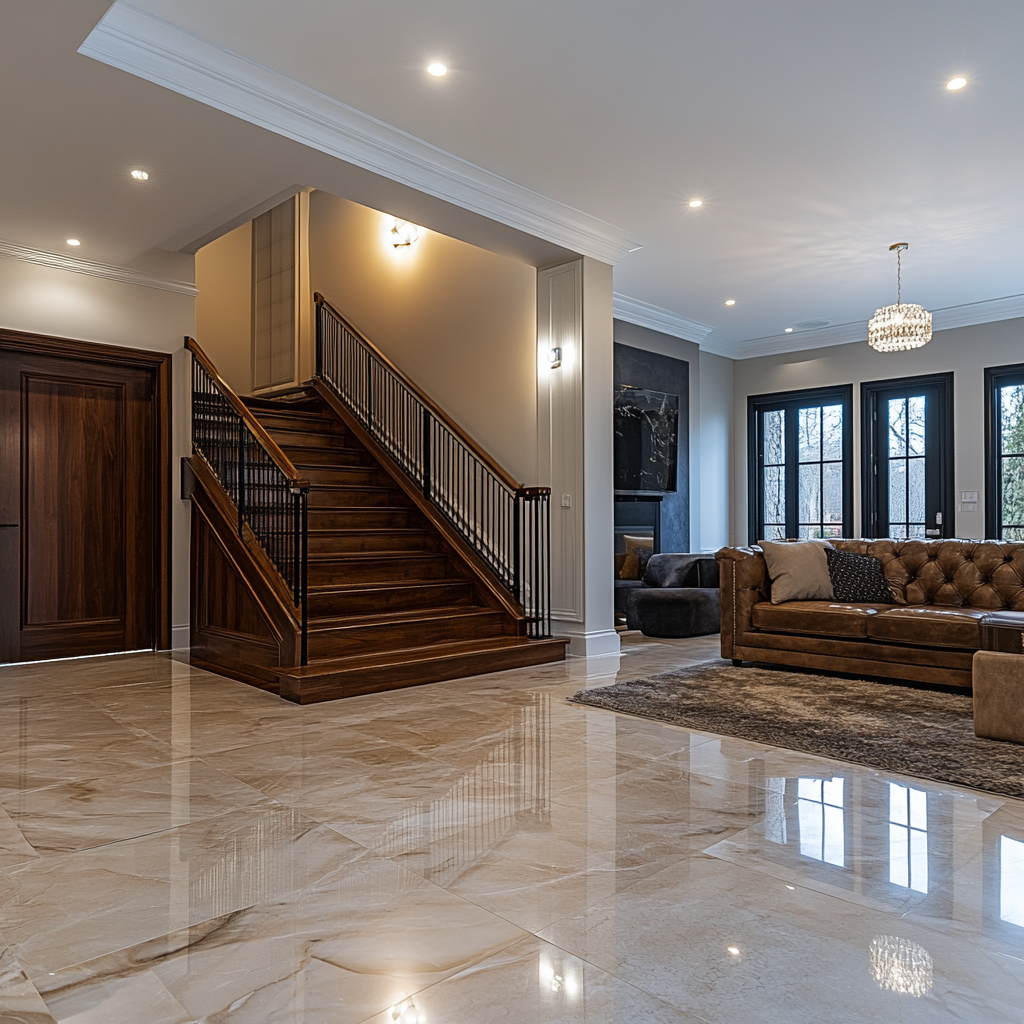
Imagine turning an old, dark living room into a modern, bright space. Picture polished wooden floors, a large window letting in sunlight, and stylish furniture. With the right renovation team, your Newtown home can look like the one in the image above!

Renovating your home is exciting and can make a big difference in how you live. If you’re ready to start, contact Aurora Group Services today—we’d love to help make your renovation dreams come true!

Call Now 02 9188 0735

What are the latest trends in Home and Office Renovations?

What Are the Latest Trends in Home and Office Renovations?

Renovation trends evolve constantly as new materials, technologies, and design philosophies come into play. Staying updated on the latest trends not only enhances your space but can also increase the value of your property. Here’s a look at some of the most exciting trends in home and office renovations for 2024.

Top Home Renovation Trends

1. Sustainable and Eco-Friendly Features

• Sustainability continues to be a major focus in 2024. Homeowners are opting for energy-efficient appliances, recycled materials, and green building practices. Solar panels, smart thermostats, and sustainable flooring are among the most popular eco-friendly choices.

Why it’s trending: Reduces energy costs and minimizes environmental impact.

2. Open-Concept Living Spaces

• Open floor plans that merge the kitchen, dining, and living areas are still going strong. This layout promotes social interaction and makes smaller homes feel more spacious.

Why it’s trending: Provides a sense of flow and connection in the home.

3. Smart Home Integration

• The rise of smart home technology has made automation mainstream. From smart lighting to security systems, homeowners are installing devices that make daily life more convenient and energy-efficient.

Why it’s trending: Adds convenience, security, and energy savings.

4. Bold Color Palettes

• After years of minimalist neutrals, homeowners are embracing bold and vibrant color schemes. Deep blues, rich greens, and burnt oranges are making their way into living rooms, kitchens, and even bedrooms.

Why it’s trending: Adds personality and warmth to a space.

5. Home Offices and Multi-Function Rooms

• With remote work becoming more common, home offices are no longer an afterthought. People are investing in dedicated workspaces that are both functional and comfortable. Multi-functional rooms that serve as both workspaces and relaxation zones are also in demand.

Why it’s trending: Adapts to changing lifestyles and work environments.

Top Office Renovation Trends

1. Collaborative and Flexible Spaces

• Modern offices are shifting away from traditional cubicles and adopting open, collaborative spaces. Flexible meeting rooms and communal areas encourage teamwork and creativity.

Why it’s trending: Fosters collaboration and boosts employee morale.

2. Biophilic Design

• Integrating nature into office spaces through plant life, natural lighting, and earthy materials is a trend that continues to grow. Biophilic design is believed to enhance well-being and productivity.

Why it’s trending: Reduces stress and creates a healthier work environment.

3. Minimalist Aesthetics with a Focus on Comfort

• Office design is embracing minimalist aesthetics—clean lines, neutral tones, and sleek furniture—while focusing on comfort with ergonomic seating and relaxing lounge areas.

Why it’s trending: Increases productivity and creates a calm, professional atmosphere.

4. Wellness and Relaxation Areas

• Many offices are including wellness spaces like meditation rooms, nap pods, or gyms to promote physical and mental well-being among employees.

Why it’s trending: Improves employee health and boosts job satisfaction.

5. Tech-Enhanced Offices

• Cutting-edge technology is increasingly integrated into office renovations. Features like wireless charging stations, advanced AV systems for video conferences, and touchless devices are becoming staples.

Why it’s trending: Streamlines workflows and enhances convenience.

How to Incorporate These Trends into Your Renovation

1. Prioritize Functionality:

• While trends are exciting, make sure your renovation is practical for your needs.

2. Work with a Professional:

• A skilled contractor can help you navigate the latest trends while ensuring your space is functional, aesthetically pleasing, and within budget.

3. Think Long-Term:

• Choose trends that will stand the test of time and increase your property value.

Why Aurora Group Services?

At Aurora Group Services, we stay ahead of renovation trends to deliver spaces that are not only stylish but also functional and sustainable. Our team helps you incorporate the latest features that elevate your home or office while staying true to your vision.

Get started today! Contact us for a consultation and let’s bring your renovation dreams to life.

Call Now 02 9188 0735

What renovations add the most value to to My Home or Office?

What Renovations Add the Most Value to My Home or Office?

Renovations can do more than improve your living or working space—they can significantly boost your property’s value. Whether you’re planning to sell or simply want a worthwhile investment, here are the top renovations that add value to homes and offices.

High-Value Home Renovations

1. Kitchen Remodels

• Kitchens are the heart of the home, and modernizing them can yield a high return on investment (ROI). Focus on quality countertops, updated appliances, and smart storage solutions.

Average ROI: 75–100%

2. Bathroom Upgrades

• Adding or renovating a bathroom is a great way to increase both functionality and appeal. Opt for modern fixtures, water-efficient features, and sleek designs.

Average ROI: 60–80%

3. Outdoor Living Spaces

• Decks, patios, or landscaping enhancements improve curb appeal and provide more usable space. These upgrades are especially appealing in areas with good weather.

Average ROI: 70–90%

4. Energy-Efficient Improvements

• Solar panels, energy-efficient windows, and insulation upgrades lower utility costs and attract eco-conscious buyers.

Average ROI: 50–80%

5. Open Floor Plans

• Removing non-load-bearing walls to create open and flexible spaces is a popular trend that adds modern appeal to homes.

Average ROI: 60–70%

High-Value Office Renovations

1. Modernized Workspaces

• Open layouts, ergonomic furniture, and collaborative spaces increase productivity and attract tenants or clients.

Average ROI: 70–90%

2. Technology Upgrades

• Integrated smart systems, high-speed internet, and energy-efficient lighting are essential for modern businesses.

Average ROI: 60–80%

3. Enhanced Reception Areas

• First impressions matter. A professional, inviting lobby or reception area boosts your company’s image.

Average ROI: 50–70%

4. Break Room Improvements

• Updating kitchens or break rooms with high-quality finishes and modern appliances increases employee satisfaction.

Average ROI: 50–75%

5. Sustainability Features

• Green renovations like energy-efficient HVAC systems and LED lighting reduce operational costs and attract eco-conscious businesses.

Average ROI: 50–80%

Tips for Maximizing Renovation ROI

1. Focus on Functionality:

• Choose upgrades that enhance usability and appeal to a wide audience.

2. Stick to Your Budget:

• Over-customization can reduce your ROI by limiting appeal to potential buyers.

3. Hire Professionals:

• Poorly executed renovations can lower property value, so always work with experienced contractors.

Why Choose Aurora Group Services?

Our team specializes in high-ROI renovations that align with your goals and budget. From concept to completion, we deliver exceptional results that maximize your property’s value.

Contact us today to schedule a consultation and start planning your next renovation!

Call Now 02 9188 0735

What should I consider when choosing a contractor or builder?

What Should I Consider When Choosing a Contractor or builder

Selecting the right contractor is one of the most important decisions in any renovation project. A skilled and reliable contractor can turn your vision into reality, while the wrong choice can lead to costly delays and frustrations. Here’s what to look for when hiring a contractor for your home or office renovation.

Qualities of a Good Contractor

1. Experience and Expertise:

• Look for contractors with proven experience in projects similar to yours. A specialist in office renovations may not be the best fit for a residential project.

2. Reputation:

• Read online reviews and ask for references. Speak with past clients to learn about their experiences.

3. Licensing and Insurance:

• Ensure the contractor is licensed and carries appropriate insurance to protect you in case of accidents or damage.

4. Clear Communication:

• The best contractors keep you informed every step of the way and are easy to reach when you have questions or concerns.

5. Attention to Detail:

• A professional contractor will provide detailed project plans and estimates to ensure transparency.

Questions to Ask a Contractor

1. What’s your experience with similar projects?

• Verify their expertise in the specific type of renovation you’re planning.

2. Can you provide references?

• Request contact information for previous clients to confirm their work quality.

3. What’s the estimated timeline and budget?

• Ensure their proposal aligns with your expectations.

4. How do you handle unexpected issues?

• Ask how they deal with delays, hidden damage, or changes to the project scope.

Red Flags to Watch Out For

• Unrealistically Low Estimates:

• If a quote seems too good to be true, it probably is. Low bids may mean cutting corners or unexpected costs later.

• Lack of Documentation:

• Always get a detailed contract and written quotes.

• Poor Communication:

• If the contractor is hard to reach or vague during the consultation, it could lead to issues down the line.

How Aurora Group Services Can Help

At Aurora Group Services, we pride ourselves on delivering quality renovations with professionalism and transparency. Our team is licensed, experienced, and dedicated to exceeding your expectations.

Looking for the right contractor? Contact us today to discuss your renovation project.

Call Now 02 9188 0735

How to budget for a renovation

What Is the Best Way to Budget for a Renovation?

Renovations can transform your home or office, but without a clear budget, costs can spiral out of control. Careful financial planning ensures you get the results you want while avoiding unnecessary stress. Here’s how to create a realistic budget for your renovation project.

Steps to Budget for a Renovation

1. Define Your Goals

• Identify your renovation priorities. Are you upgrading for functionality, aesthetics, or increased property value? Clear goals will guide your spending.

2. Research Costs

• Get estimates for labor, materials, and permits. Use online tools or consult local contractors to understand average costs in Sydney.

3. Set a Realistic Budget

• Decide how much you’re willing to spend. Include a contingency fund of 10–20% for unexpected expenses like structural issues or delays.

4. Break Down Costs

• Separate your budget into categories such as labor, materials, design, and permits. This helps you monitor spending effectively.

5. Get Multiple Quotes

• Obtain quotes from at least three contractors to ensure you’re getting a fair price. Compare their scope of work and timelines as well.

Common Budget Mistakes to Avoid

1. Underestimating Costs:

• Hidden expenses like structural repairs, asbestos removal, or unexpected delays can quickly add up.

2. Overinvesting:

• Spending too much on features that don’t add value to your home or office can hurt your ROI.

3. Ignoring Long-Term Savings:

• Investing in energy-efficient upgrades may cost more upfront but can save money over time.

Budget-Friendly Tips

• Repurpose Existing Materials:

Reuse or refurbish furniture and fixtures to cut costs.

• Focus on High-Impact Areas:

Concentrate your budget on areas like kitchens and bathrooms, which provide the best ROI.

• Time Your Renovation Wisely:

Off-peak seasons may offer discounts on labor and materials.

How Aurora Group Services Can Help

At Aurora Group Services, we understand the importance of staying within budget. Our team works closely with you to create a detailed cost plan, ensuring there are no surprises along the way.

Ready to start planning? Contact us today for a free consultation and estimate.

Call Now 02 9188 0735

How to obtain council permits in Sydney

Do I Need council Permits for My Renovation Project?

One of the most important steps in planning a renovation is determining whether you need permits. Failing to obtain the necessary approvals can lead to fines, delays, and issues when selling your property. Here’s a guide to help you navigate renovation permits in Sydney.

When Do You Need a Permit?

You’ll typically need a permit for projects that involve:

• Structural Changes: Removing walls, adding extensions, or modifying load-bearing structures.

• Electrical or Plumbing Work: Installing new wiring, plumbing, or gas lines.

• Major Renovations: Renovating kitchens or bathrooms significantly.

• Heritage Properties: Any work on properties with heritage restrictions.

When Are Permits Not Required?

Smaller renovations or cosmetic updates often don’t require permits, such as:

• Painting, tiling, or replacing flooring.

• Installing new cabinetry without altering plumbing or wiring.

• Landscaping projects that don’t involve major excavation.

How to Obtain Permits in Sydney

1. Consult Your Local Council:

Contact your local council to determine which permits apply to your project.

2. Hire a Professional:

Contractors or architects often handle permit applications on your behalf.

3. Prepare Documentation:

Provide detailed plans, including drawings, materials, and structural details.

4. Pay Fees:

Permit fees vary depending on the project’s scope and location.

5. Wait for Approval:

Approval times can range from a few weeks to several months, depending on the complexity.

What Happens If You Skip Permits?

• Fines and Legal Issues: Unauthorized renovations can result in hefty fines.

• Resale Problems: Unpermitted work may complicate property sales or devalue your home.

• Insurance Risks: Claims may be denied if issues arise from unpermitted renovations.

Work with Aurora Group Services for a Smooth Process

Navigating the permit process can be challenging, but Aurora Group Services simplifies it for you. Our team ensures all permits are secured before starting your renovation, giving you peace of mind.

Start your project today! Contact us to discuss your renovation needs.

Call Now 02 9188 0735

The Inner West Transformation!

The Inner West Transformation: How Renovations Are Adding Equity to Sydney Homes

The Inner West of Sydney has long been a sought-after area for its vibrant culture, heritage homes, and proximity to the CBD. Over the past few years, the region has seen a remarkable transformation, with homeowners increasingly investing in renovations that not only modernize their properties but significantly boost their value.

From stylish kitchen upgrades to complete home makeovers, the renovation boom in the Inner West is a testament to the area’s growing appeal. Let’s explore why this trend is thriving and how renovations are unlocking equity for homeowners.

Why the Inner West is a Hotspot for Renovations

1. Rising Property Values

The Inner West has experienced consistent growth in property values, making it a prime location for investment. Renovations allow homeowners to capitalize on this growth by enhancing the functionality and aesthetic appeal of their homes.

2. Heritage Homes with Character

The Inner West is known for its charming Victorian terraces, Federation homes, and Art Deco apartments. While these properties exude character, many require updates to meet modern living standards. Renovations strike a balance between preserving historical features and incorporating contemporary design.

3. Changing Demographics

A younger, affluent demographic is moving into the area, bringing with them a preference for modern, open-plan layouts, sustainable designs, and high-quality finishes.

4. Tight Housing Supply

With limited space for new developments, upgrading existing properties has become the go-to solution for homeowners who want to stay in the area without compromising on lifestyle.

Types of Renovations Adding Value in the Inner West

1. Kitchen and Bathroom Upgrades

• Kitchens and bathrooms are focal points in any home. Sleek designs, high-end appliances, and smart storage solutions are in demand.

• Average equity boost: 10–15% of the property’s value.

2. Open-Plan Living Spaces

• Knocking down walls to create open-plan layouts is a popular choice, offering a sense of space and light. This is particularly valuable in compact Inner West homes.

3. Outdoor Living Areas

• Many homeowners are transforming courtyards and balconies into usable outdoor spaces, perfect for entertaining in Sydney’s climate.

4. Heritage Restorations

• Maintaining period details like cornices, fireplaces, and stained-glass windows while updating the rest of the home adds a unique charm that buyers love.

5. Sustainable Upgrades

• Solar panels, energy-efficient windows, and sustainable materials are becoming staples in Inner West renovations.

The Financial Impact: Boosting Equity Through Renovations

Renovations in the Inner West are yielding impressive returns on investment. Here’s how:

• Increased Property Value: Renovated homes are commanding higher prices in the market, often far exceeding the cost of the upgrades.

• Faster Sales: Well-renovated homes in the Inner West are selling faster, appealing to buyers who want a move-in-ready property.

• Rental Income: For investors, modernized properties attract higher rental yields, making renovations a worthwhile expenditure.

For instance, a simple kitchen renovation costing $30,000–$50,000 can add up to $100,000 in value, while a full home makeover might yield returns of up to $300,000 or more in Sydney’s competitive market.

Popular Suburbs for Renovations in the Inner West

1. Balmain

Known for its historic terraces and waterfront views, Balmain is a hotspot for luxury renovations.

2. Newtown

A hub for creative and contemporary designs, Newtown renovations often focus on maximizing space in smaller properties.

3. Marrickville

With its industrial roots, Marrickville offers unique opportunities for warehouse conversions and modern designs.

4. Leichhardt

Heritage homes in Leichhardt are being restored and modernized, striking the perfect balance between tradition and innovation.

Renovation Tips for Inner West Homeowners

1. Work with Experts

Engage architects and builders familiar with Inner West properties to ensure a seamless blend of old and new.

2. Focus on High-Impact Areas

Prioritize kitchens, bathrooms, and outdoor spaces to maximize your return on investment.

3. Understand Heritage Regulations

If your home is heritage-listed, consult with local councils to ensure your renovations comply with guidelines.

4. Embrace Sustainability

Incorporate eco-friendly materials and energy-efficient designs to appeal to environmentally conscious buyers.

Conclusion: Transforming Inner West Homes, One Renovation at a Time

The rise in renovations across Sydney’s Inner West is reshaping the region, enhancing property values, and improving the quality of living for residents. Whether you’re restoring a heritage gem or modernizing a compact terrace, renovations are a powerful way to build equity and secure your property’s future in one of Sydney’s most dynamic areas.

Are you considering a renovation for your Inner West home? Contact Aurora Group Services for expert advice and services that will turn your vision into reality. From design to execution, we’re here to help you unlock the full potential of your property.


Annandale, Ashfield, Balmain (including Balmain East), Birchgrove, Dobroyd Point, Dulwich Hill, Enmore, Haberfield, Leichhardt, Lewisham, Lilyfield, Marrickville, Petersham, Rozelle, Stanmore, St Peters, Summer Hill, Sydenham, Tempe and parts of: Ashbury, Camperdown, Croydon, Croydon Park, Hurlstone Park and Newtown.

Call Now 02 9188 0735